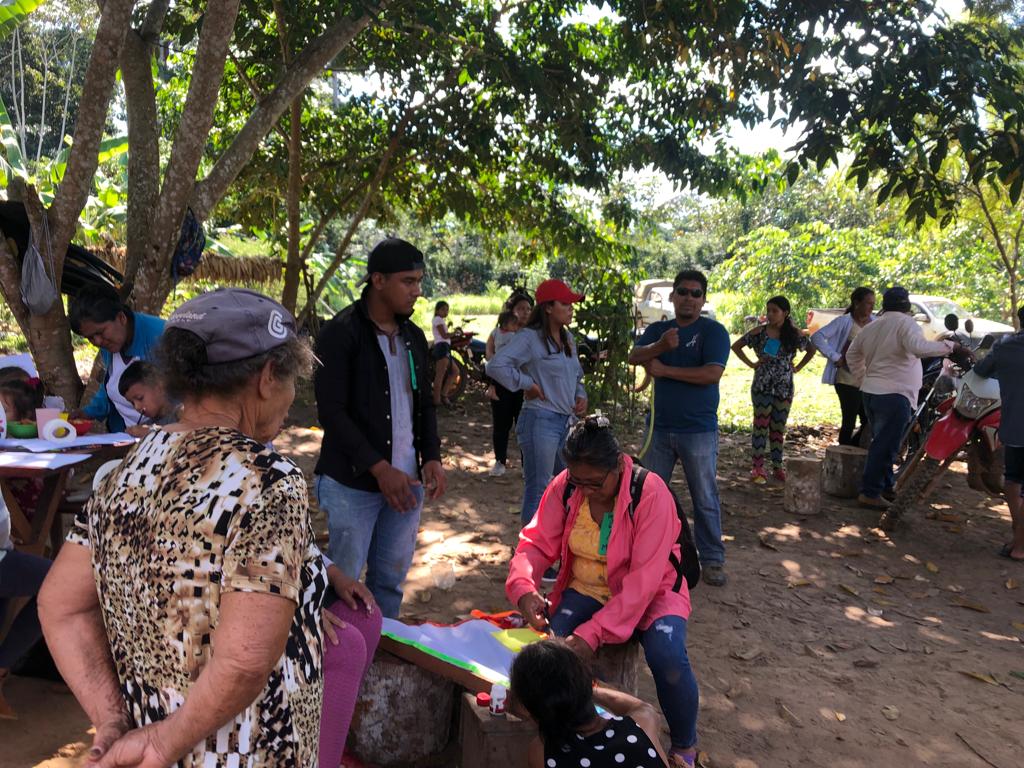
Located in a community on the border between Bolivia, Brazil, and Peru, this family combines traditional techniques with agroforestry practices that do not use fire, caring for every corner of the forest that sustains them. Non-burning slash-and-burn, natural regeneration, and coexistence with native species are part of their daily lives, in a system that produces without destroying. This experience is much more than tourism: it is an invitation to reconnect with the land, learn from those who have lived off the forest for generations without damaging it, and understand that another model of development is possible, one where conservation and culture go hand in hand. During your stay, you will take part in the chestnut harvest in the forest, learn the artisanal process of coffee from plant to cup, and share guided walks that reveal the secrets of the jungle and its deep interdependence with human life. Family stories convey the cultural roots that intertwine Bolivia and Brazil, visible in the languages, cuisine, music, and local celebrations.
Country: Bolivia,
When did this experience begin?: 03/04/2025
At what stage is the experience currently?: It's just an idea
Is the experience legally recognized?: No
Follow us on social media
Where does the experience take place?:
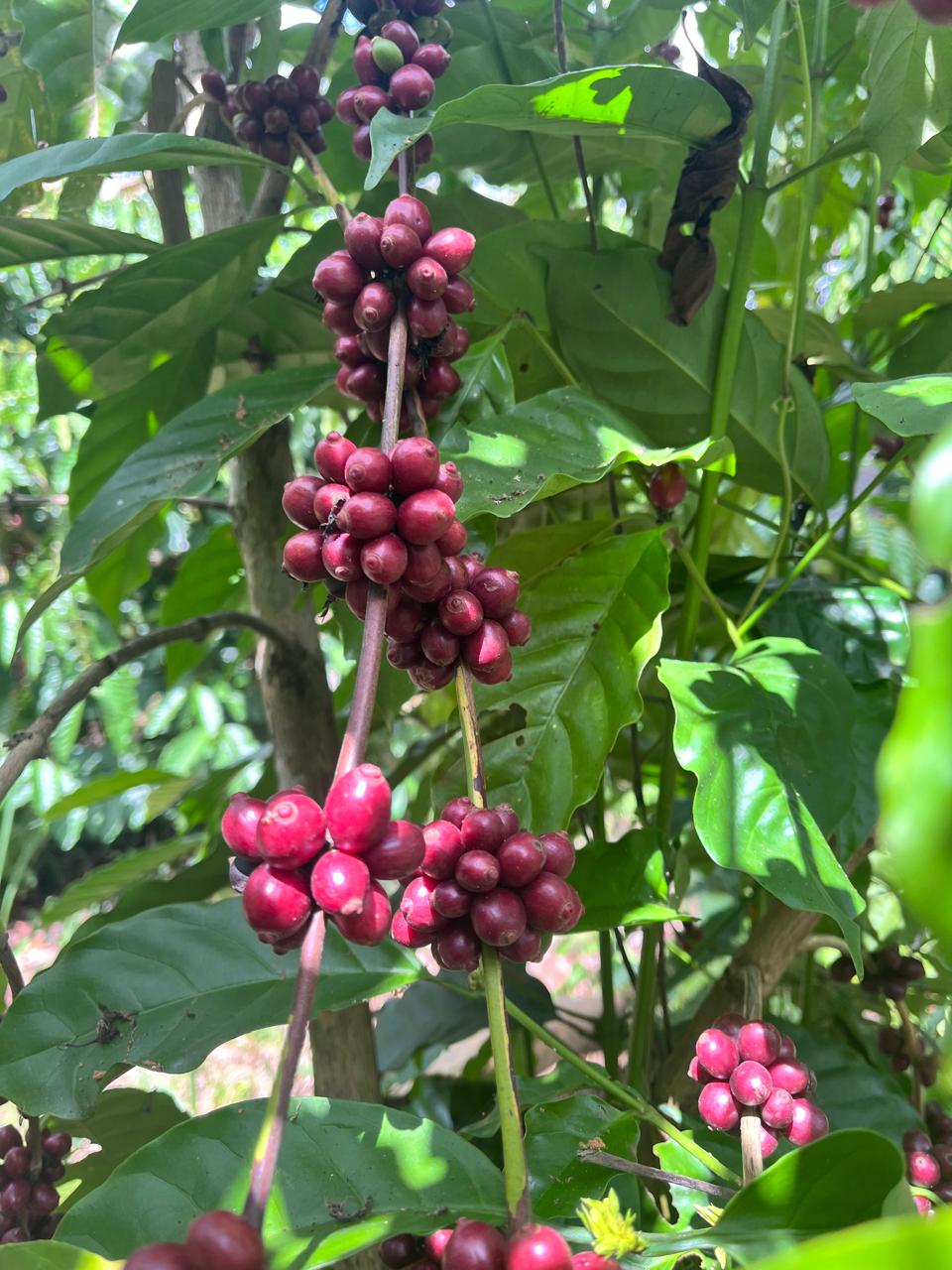
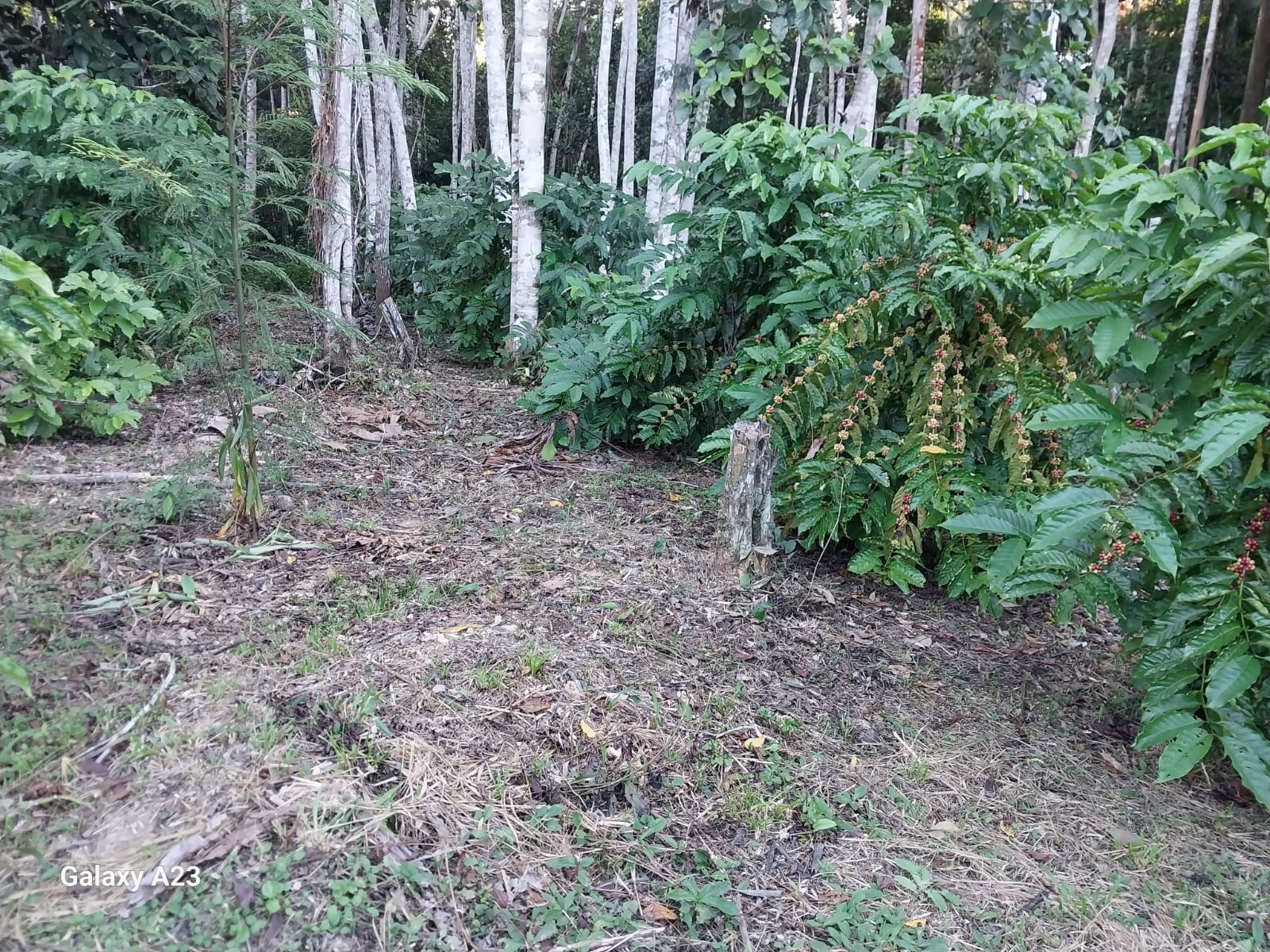
We work to conserve the banks of the Nareuda River, guiding 105 families in the community on how to care for and conserve this ecosystem on which we all depend. We work with 3 hectares of Robusta and native coffee, from which we sell around 80 bags. We have one hectare of cassava, which we use to make flour that we sell in the community's internal market.
Context: One of the main challenges facing this family—and many others in the region—is raising awareness and educating community members about the importance of moving away from the traditional practice of slash-and-burn agriculture, which, although it has been part of the agricultural culture for generations, now poses a threat to the forest, soil, and water. Promoting slash-and-burn without fire requires time, dialogue, and training, as it involves changing ingrained habits and demonstrating by example that it is possible to produce efficiently without destroying. Another crucial challenge is raising awareness about the impact of littering in rivers, a common practice that pollutes water sources and damages the health of the community and the ecosystem. The host family has become a local reference by demonstrating that living in harmony with the forest is not only possible, but also more sustainable and dignified for future generations.
![]()
Social Issues:
Public health
![]()
Cultural Issues:
Loss of cultural identityImposition of external models
![]()
Political Issues:
Lack of recognition of traditional authoritiesCorruptionConflictos de soberanía nacional
![]()
Economic Issues:
MonocultivantsLivestock FarmingWildlife TraffickingIllegal EconomiesDrug Trafficking

![]()
Environmental Issues:
DeforestationDegradationDroughtsFloodsForest firesDestruction of ecosystems
| Title | Unit | Number | Description |
|---|---|---|---|
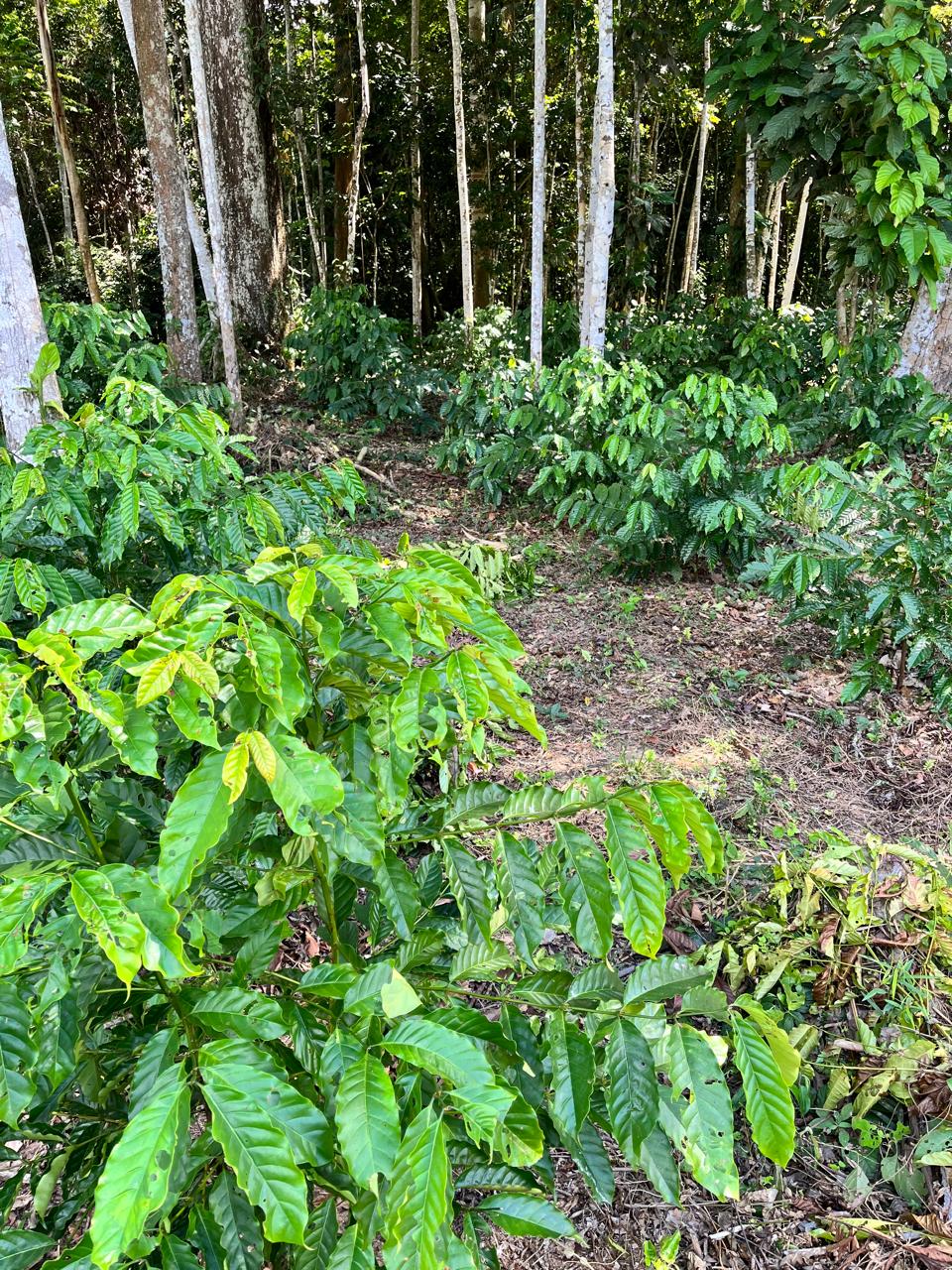
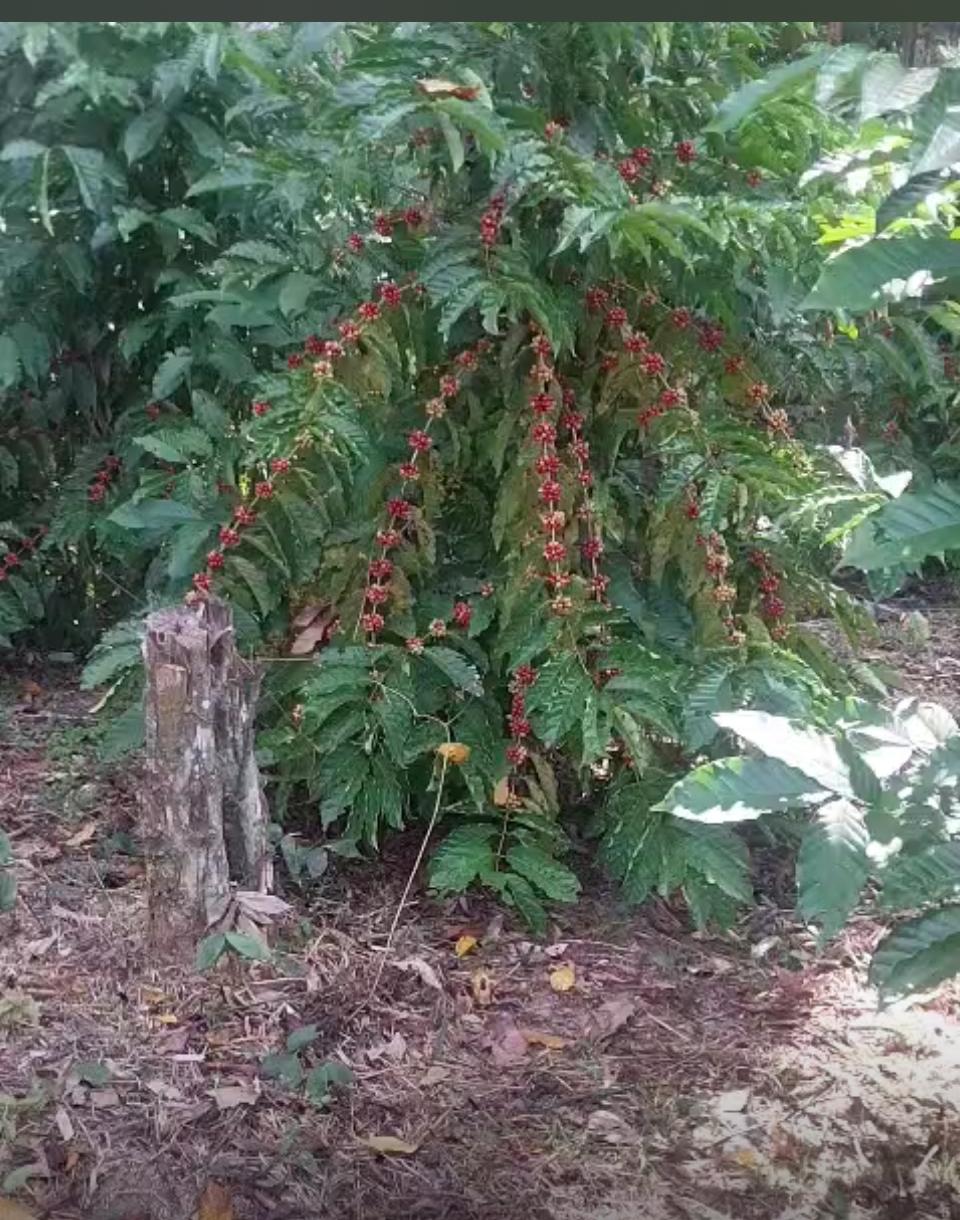
| Recuperación de suelos degradados con la implementación de Sistemas Agroforestales con plantines de café de origen clonal de la variedad Robusta Coffea canephora. | Hectares | 5 | Agroforestry systems were implemented using the Chaco method without burning, shade management, and the use of deforested areas and degraded soils, where 3 hectares were planted with 4,000 coffee plants in two phenomenological stages of growth associated with avocado, plantains, and chestnut trees with natural regeneration management of timber species such as cedar, mara, and syringa. The same is in a process of reconduction to dynamic succession. Two hectares are in a progressive phase with plants of the Fabaceae family and natural regeneration species. |
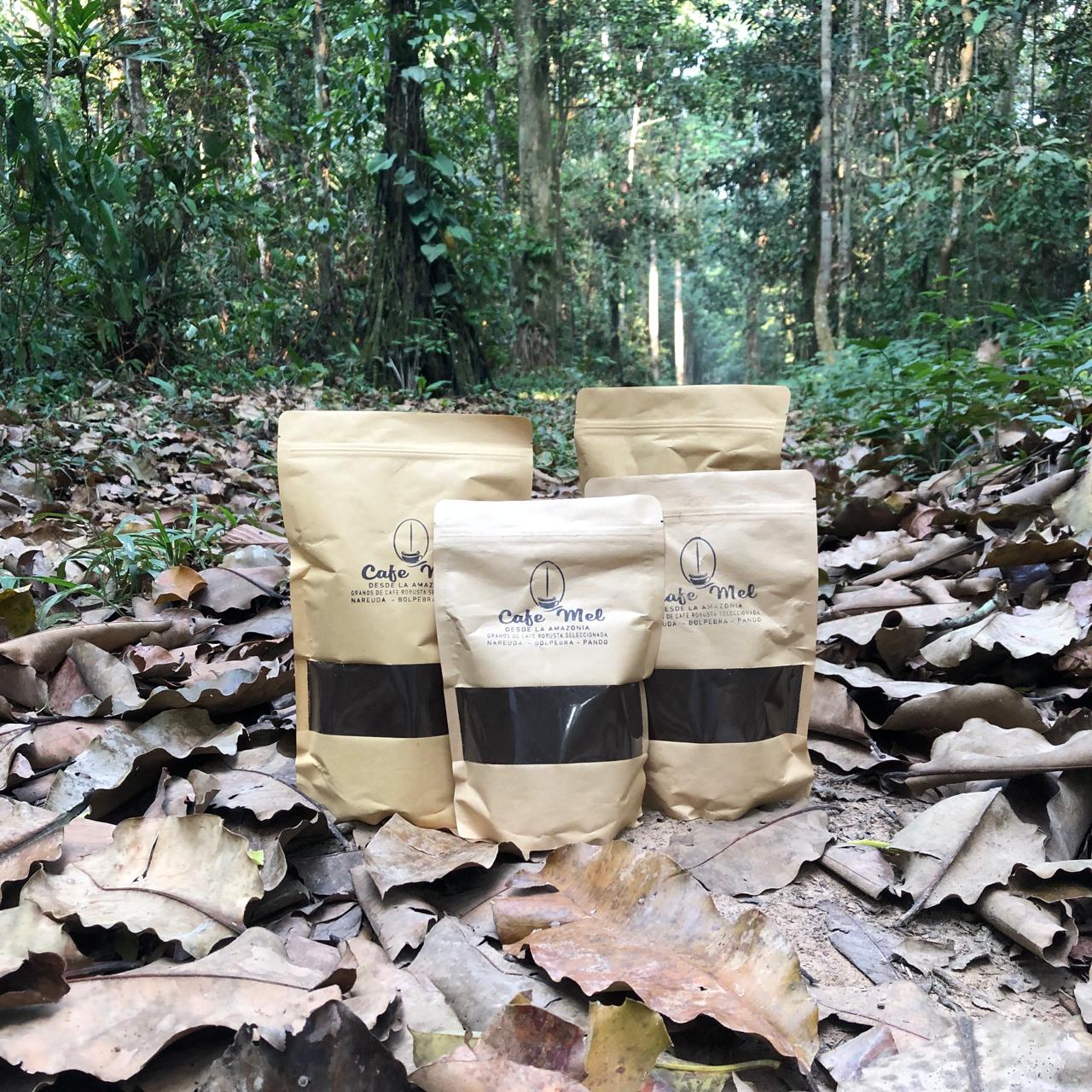
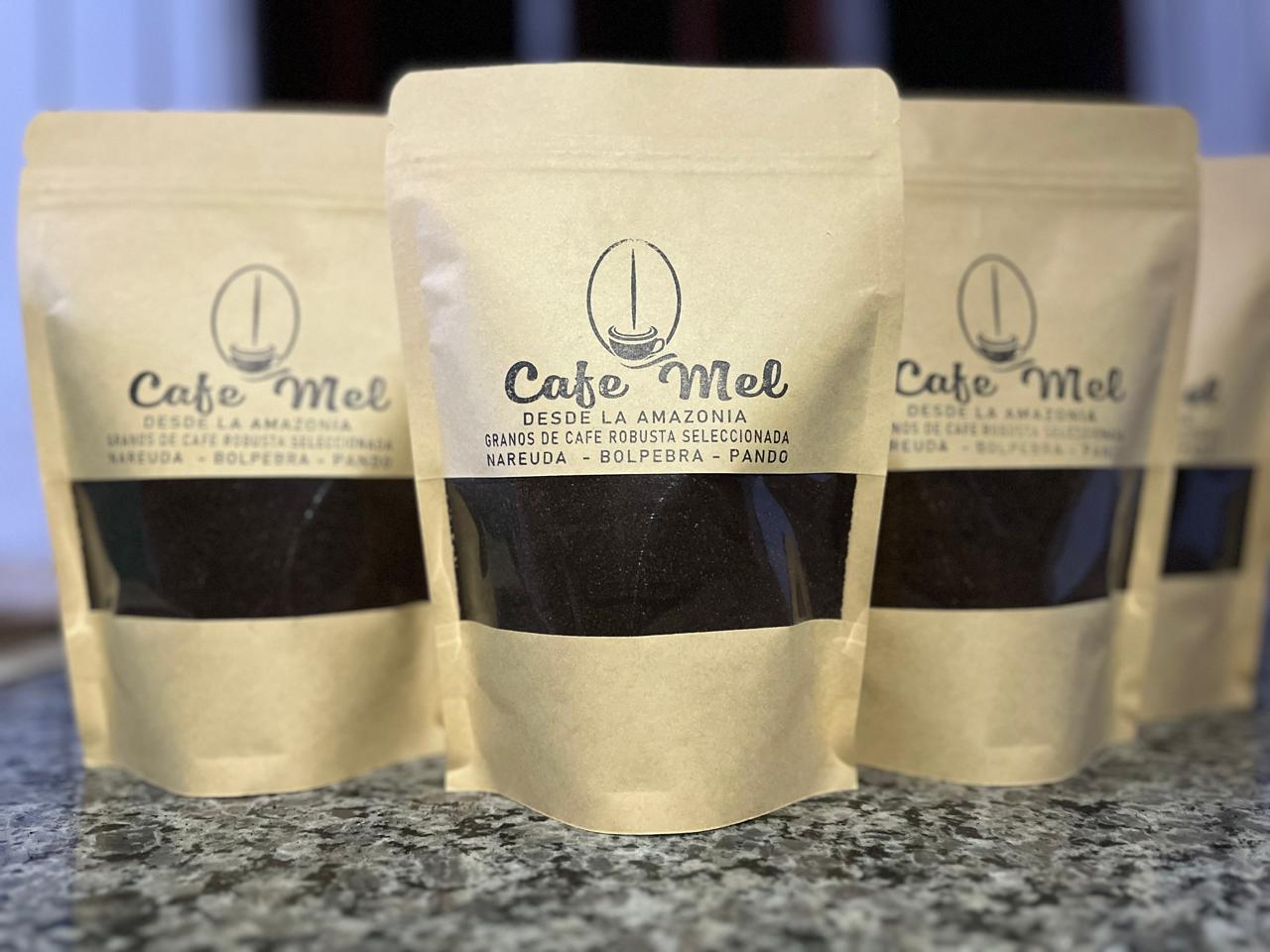
| Producción de café orgánico de la variedad robusta bajo sistemas Agroforestales en reconducción a Dinámico Sucesional | Coffee plants in initial production phase | 2000 | Coffee production comes from the first production phase, from plants found in SAFs undergoing succession dynamics with shade management. This allows for the production of beans with unique organoleptic characteristics, as evidenced by the results of the first Best Of Bolivia Robusta Amazonica 2024 coffee event, where it ranked among the top 10 scores in the tasting competition. |
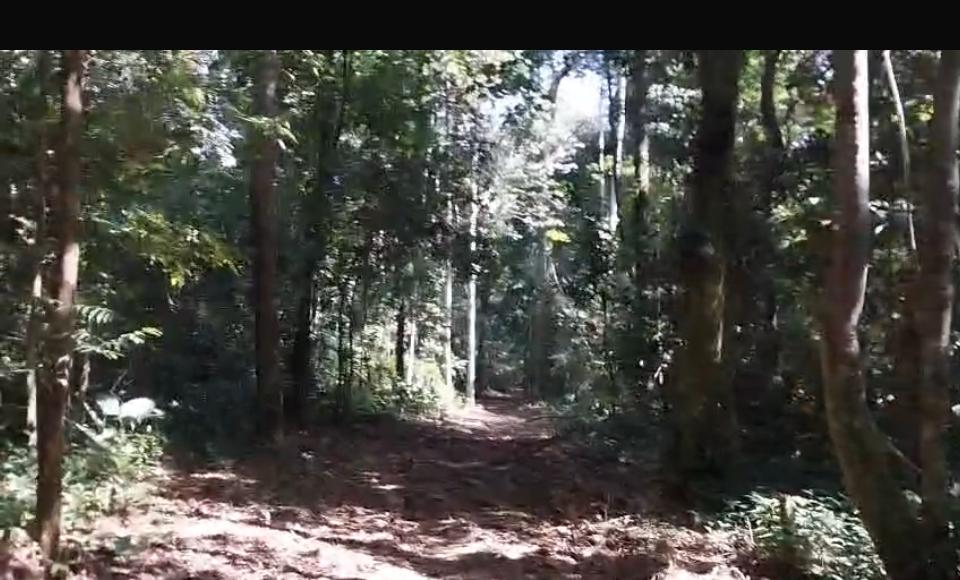
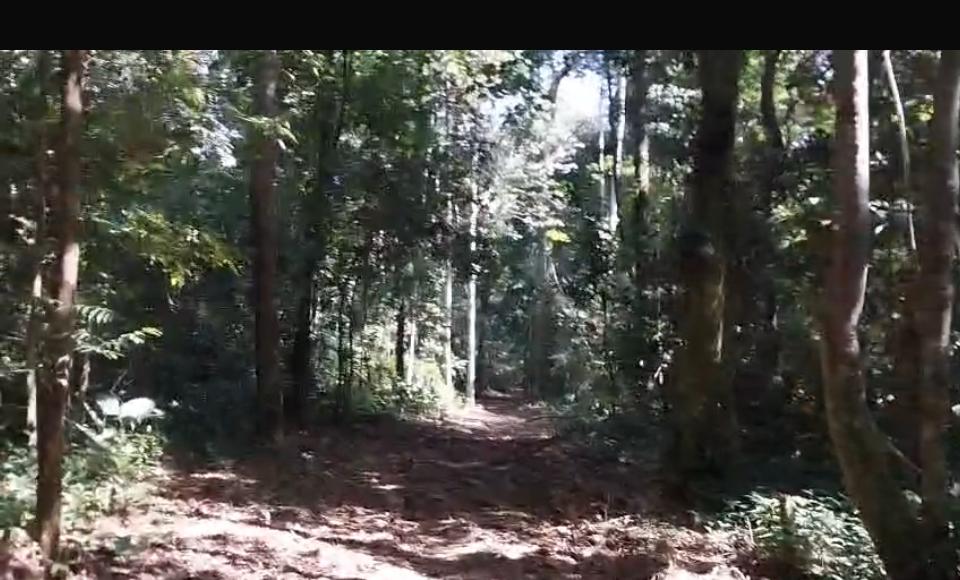
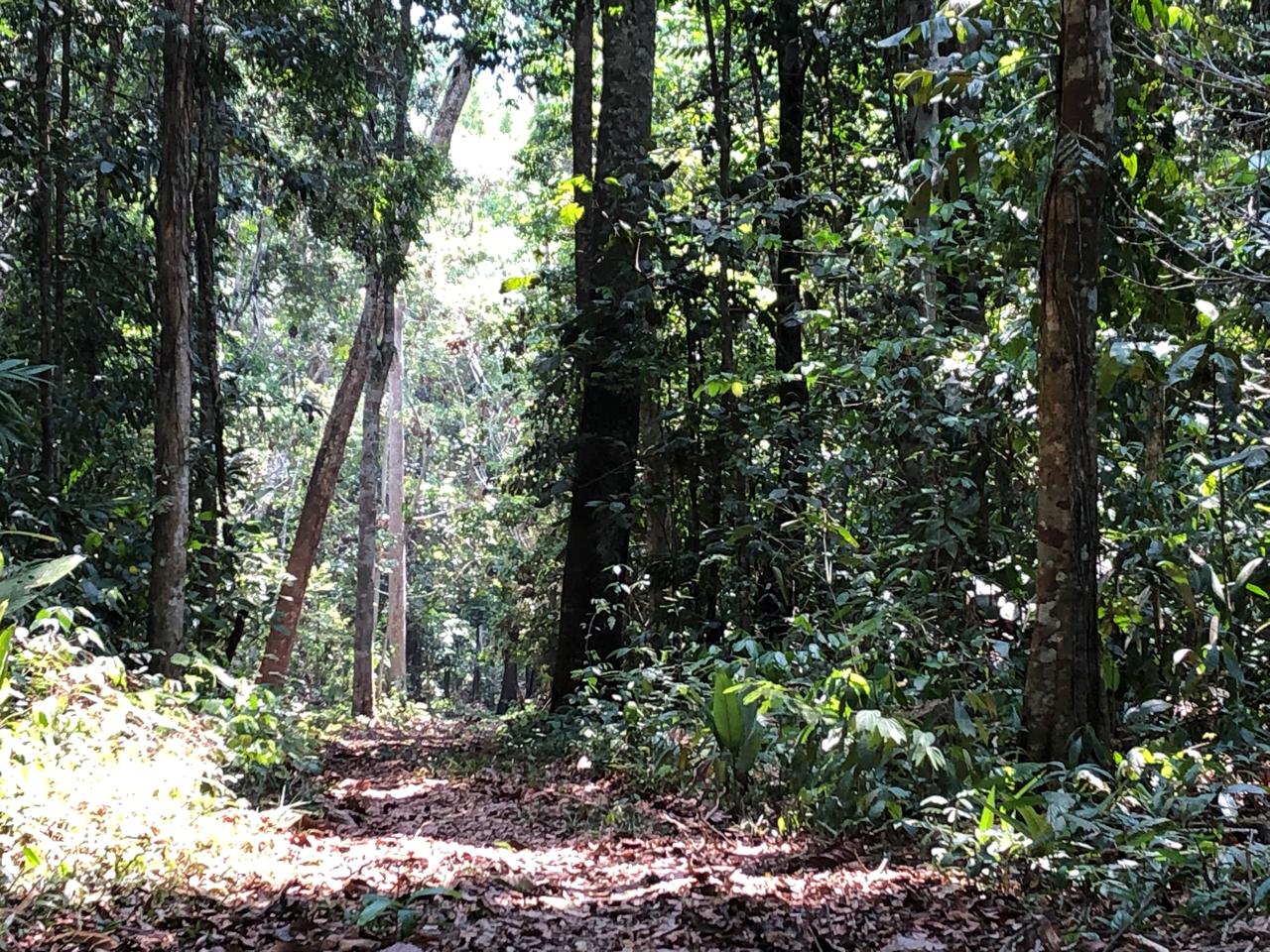
| Senderismo en el bosque | Paths | 2 | The hiking trails in the primary forest offer an ecosystem rich in biodiversity, where it is possible to connect deeply with nature along the route. You can observe chestnut trees, large timber trees characteristic of Amazonian forests, wild animal fruit trees, and the estradas where natural latex is extracted from rubber trees. These trails not only offer contact with nature but also an opportunity to learn about the traditional uses of the forest and the importance of conservation. |
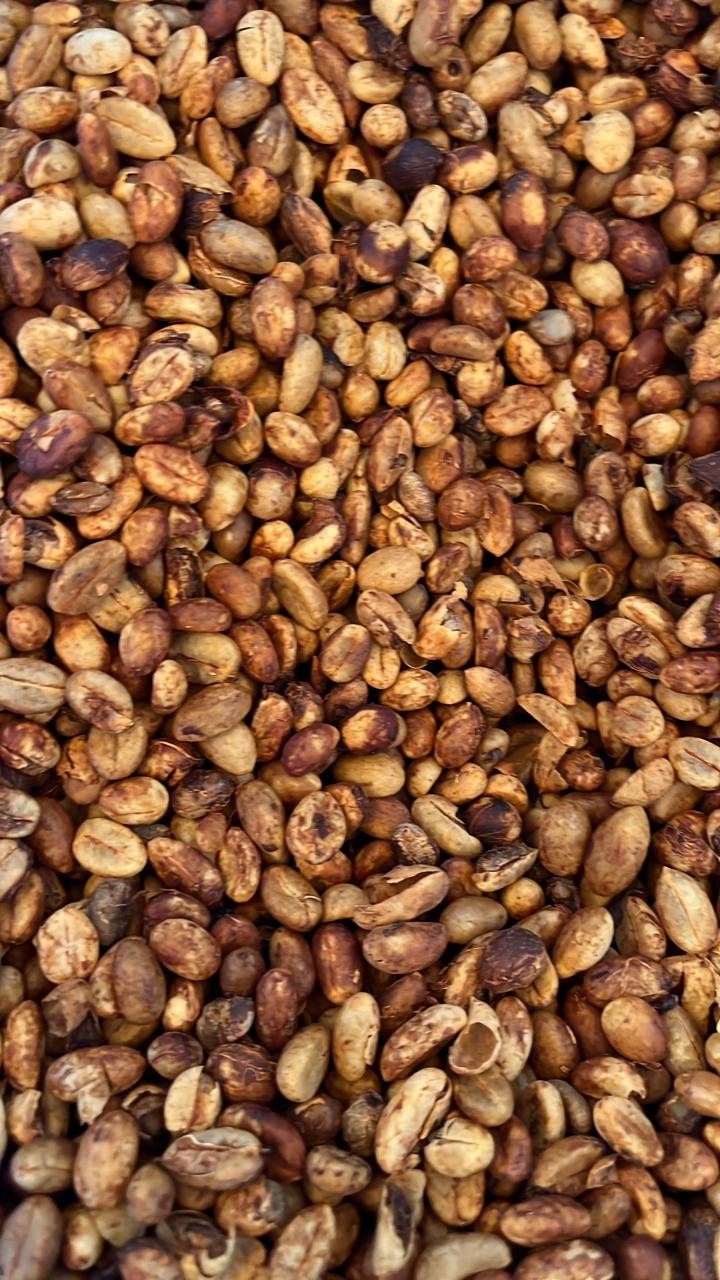
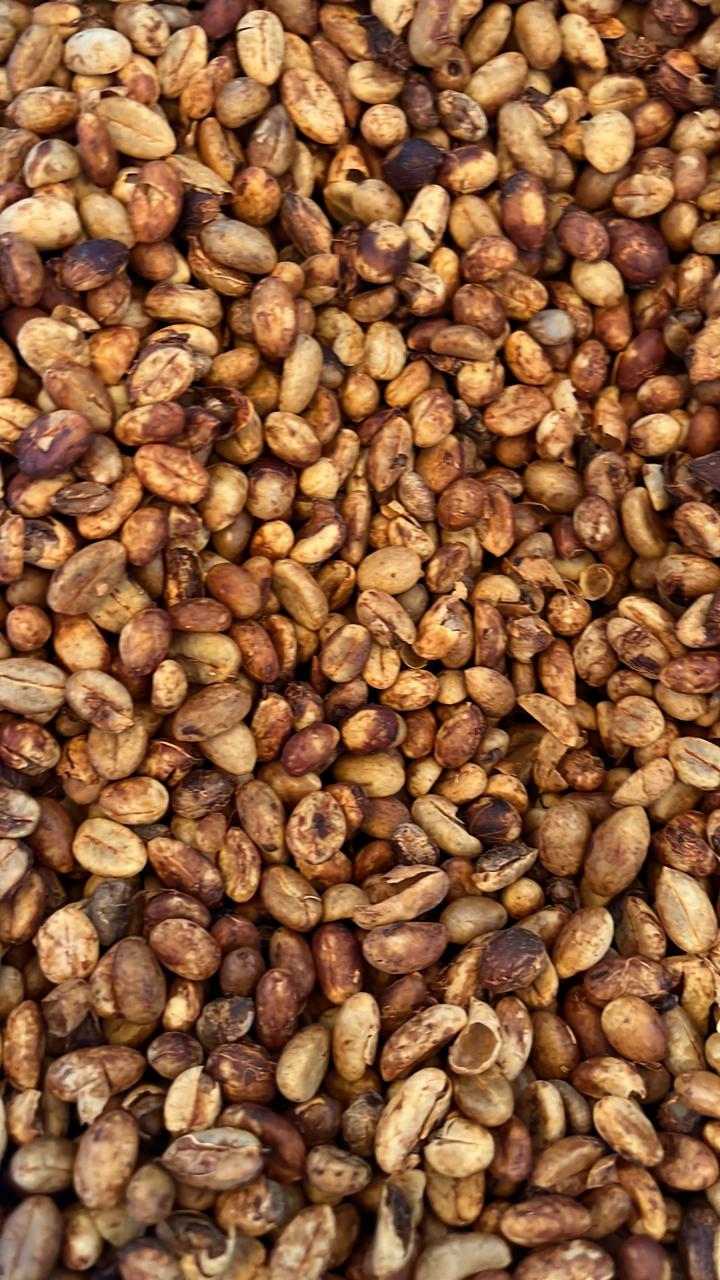
Comercialización de café en Honey o miel
Selective harvesting under protocol (coffee cherries that were pulped and dried with the mucilage that the fruit has) and the sale was made by the kilo. Processed coffee is marketed to a niche consumer market.
30 Bolivianos
Ruta de la Fariña
Senderismo en el bosque
During walks along forest trails and depending on the production calendar, visitors can enjoy unique experiences such as chestnut harvesting and latex extraction from syringa trees, which demonstrate the sustainable use of the forest.
150 Bolivianos
Partners or Allied Organizations
| Organization Name | Organization Role in the Experience |
|---|---|
| Pastoral Social Caritas Departamento de Pando | Aliada |